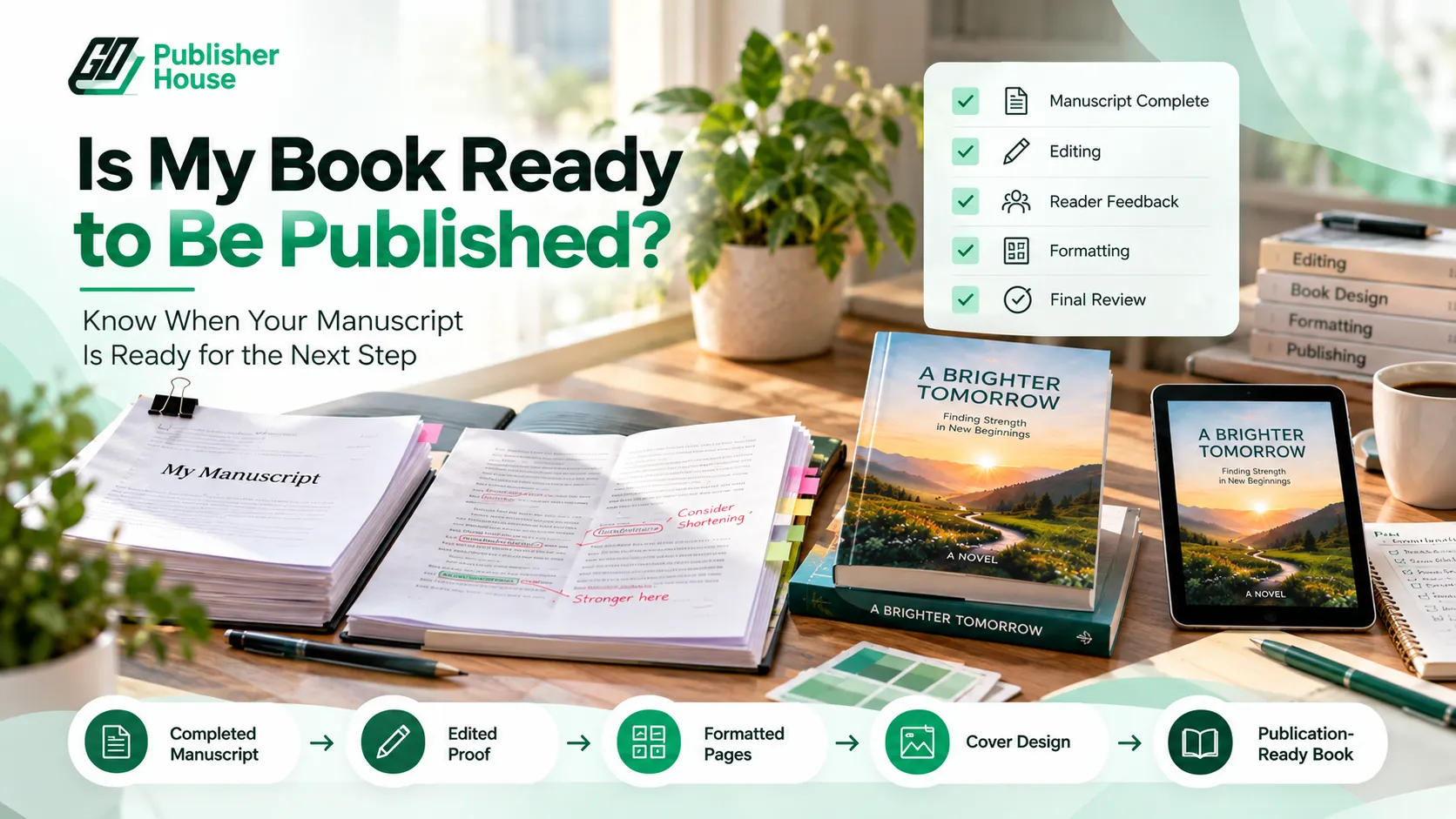
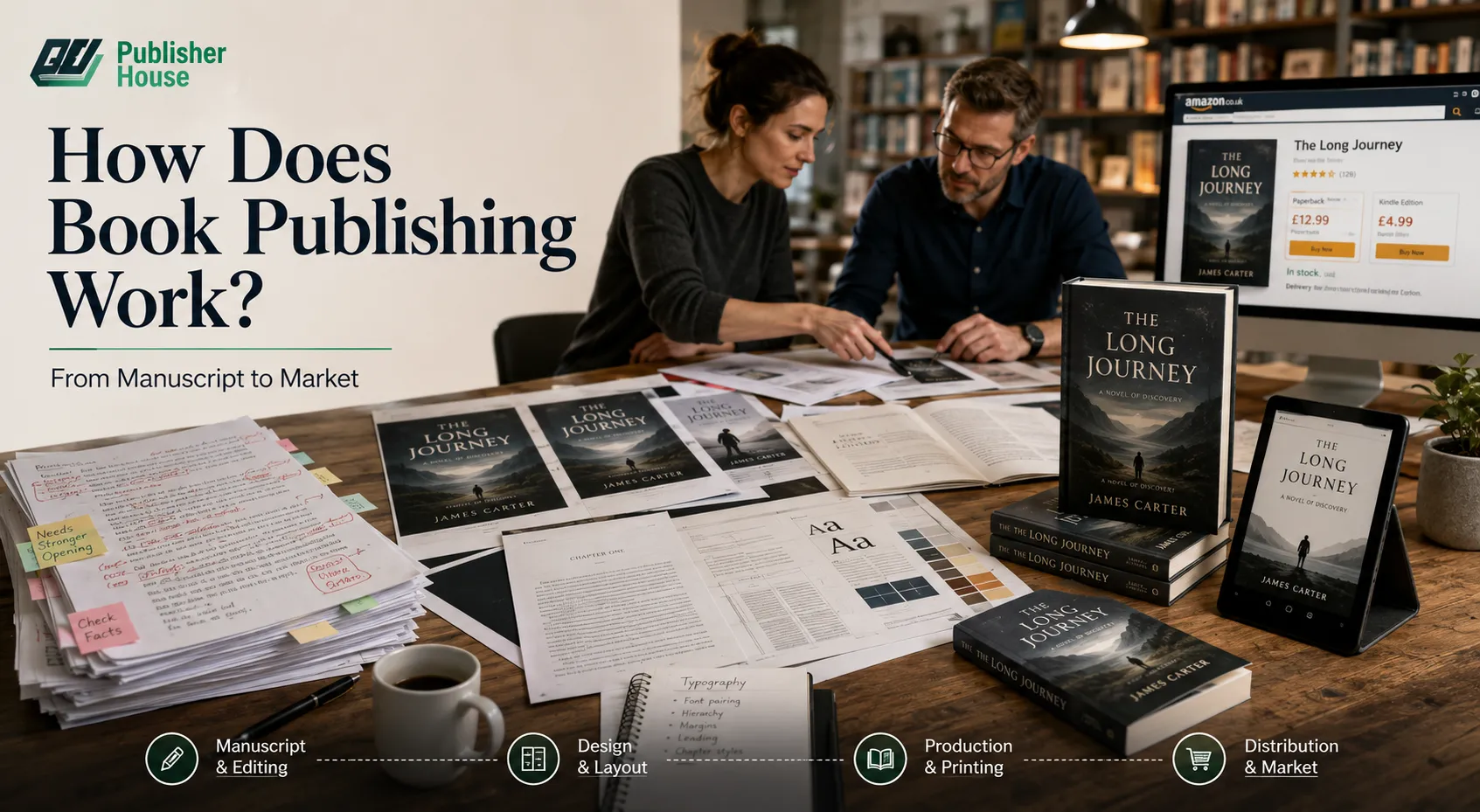
You have written the final chapter, now what? Turning a manuscript into a published book takes more than hitting publish. Writing “The End” is just the first step. Completing a book is a huge achievement but finishing the manuscript is only the beginning. Before your story reaches readers, it goes through several important stages, from editing and proofreading to cover design, formatting, production, publishing, and marketing.
If you have ever wondered how does book publishing work, understanding these steps can make the entire journey clearer and less overwhelming. Whether you choose traditional publishing or self publishing, knowing the process helps you make better decisions and avoid costly mistakes. So, how does a simple Word document become a finished book on a bookstore shelf or a digital download? Let’s explore the journey from manuscript to market.
What Is Book Publishing?
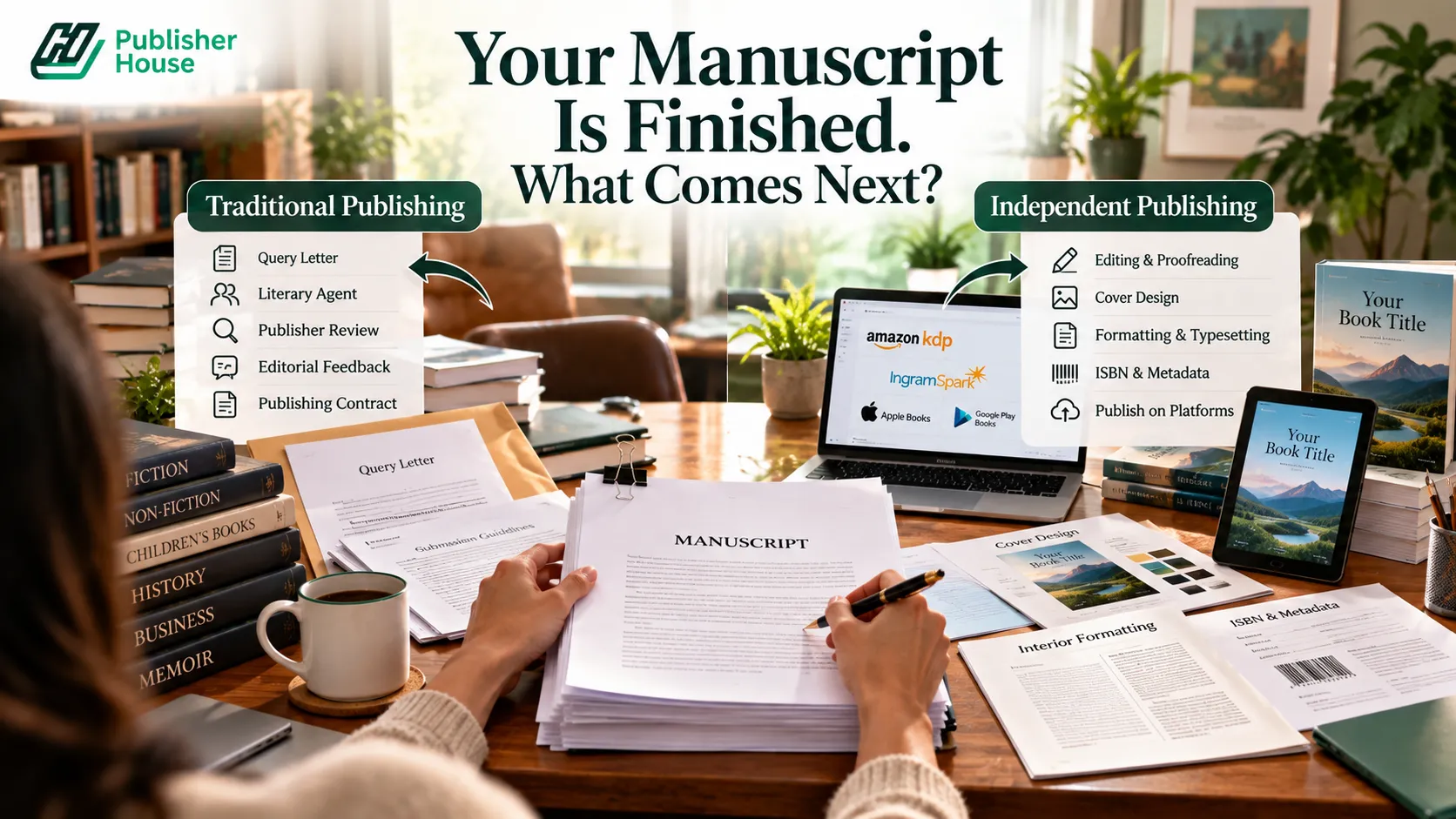
Book publishing is the process of turning a completed manuscript into a finished book and making it available to readers. It can involve editing, proofreading, cover design, formatting, printing or digital production, marketing, and distribution. Writers can choose between traditional publishing and self-publishing, giving writers more options and control over how their books reach readers.
In Traditional Publishing the author submits a manuscript or proposal to a literary agent or publishing house. If accepted, the publisher typically handles editing, design, production, marketing, and distribution, while the author earns royalties from sales.
Whereas in self publishing the author publishes independently without relying on a traditional publishing house. They can manage the process themselves or hire professionals for editing, design, formatting, marketing, and distribution. This option offers greater control over the book.
How Book Publishing Works?
Thinking about how does a book get published? Writing a book is a major achievement, but the manuscript is only the starting point. A book must go through editing, design, production, marketing, and distribution before it can reach readers. Whether you’re exploring traditional publishing or working with book publishers in England, understanding the publishing process can help you navigate the journey from a completed manuscript to a book ready for the market.
Writing & Preparing the Manuscript
The publishing journey begins with an idea. The author develops the concept, researches the subject, creates an outline, and starts writing. Once the first draft is complete, the author revises it several times.
This may involve improving the structure, removing unnecessary content, strengthening characters or arguments, and making sure the book delivers what it promises to readers. The goal is to create a strong manuscript that is ready for professional review.
Creating a Book Proposal
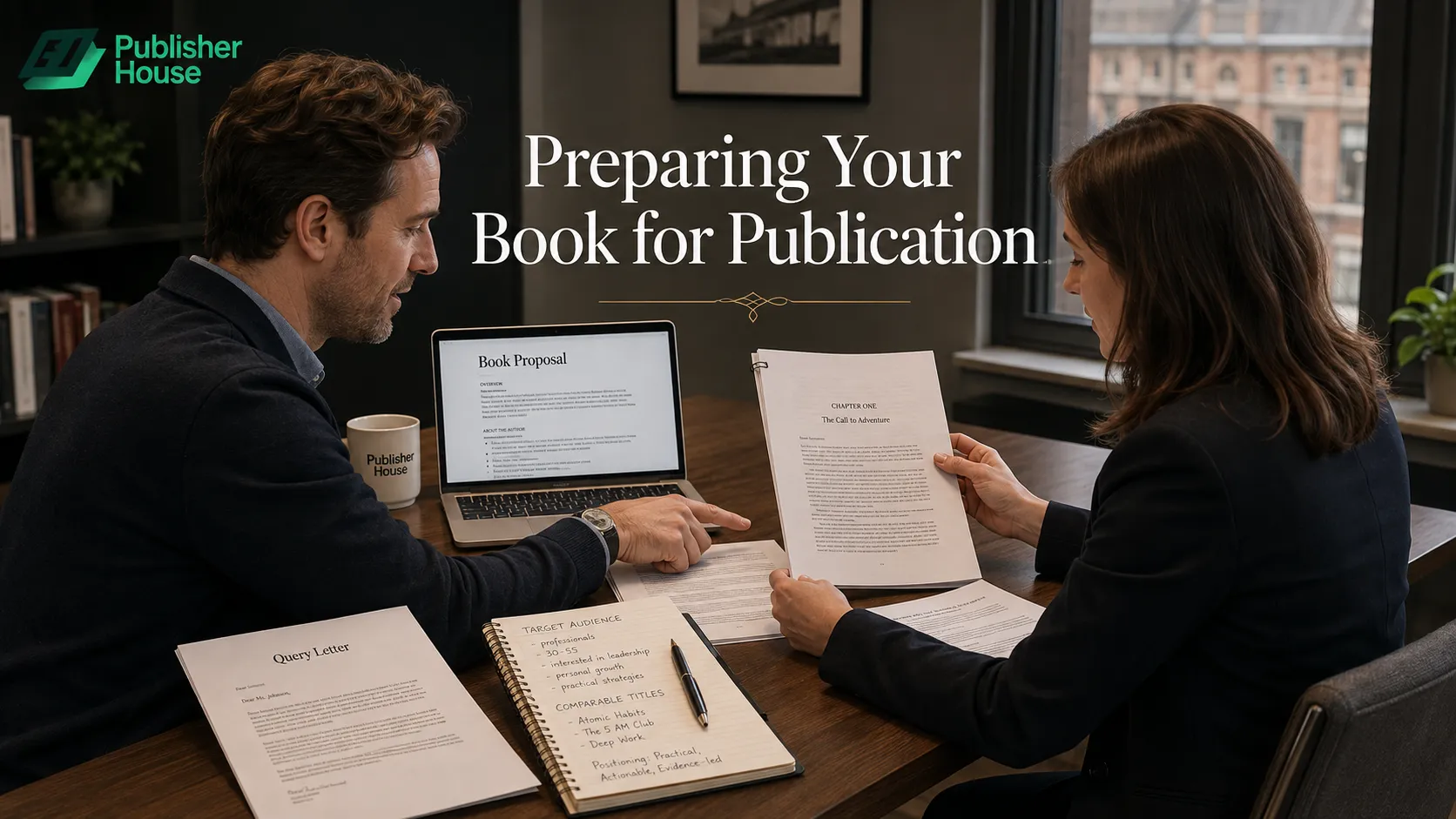
A book proposal is mainly used when approaching traditional publishers, particularly for nonfiction and academic books. It gives publishers a clear picture of the project without necessarily requiring the entire book to be finished. For authors exploring how to publish a book, a well prepared proposal can be an important tool for attracting publisher interest. A proposal usually explains:
- What the book is about
- Who the target readers are
- Why readers will want it
- What makes the book different
- Similar or competing books
- The author's background and expertise
- Sample chapters or sections
A strong proposal helps publishers understand both the creative value and commercial potential of the book.
Finding a Literary Agent
Many authors seeking traditional publication approach a literary agent. Agents understand the publishing market and know which publishers may be interested in particular genres or subjects. The author usually sends a query letter, proposal, or sample chapters to selected agents.
If an agent decides to represent the author, they may help improve the proposal or manuscript before presenting it to publishers. The agent also negotiates with publishers on the author’s behalf and helps manage important parts of the publishing deal.
Finding the Right Publisher
Once an agent represents the book, they submit it to suitable publishing houses. Publishers review the manuscript or proposal and consider factors such as quality, target audience, market demand, competition, and sales potential.
If several publishers are interested, the author and agent may compare offers and choose the publisher that provides the best overall fit. The right publisher should not only be able to sell the book but should also understand its audience and vision.
Negotiating & Signing the Contract
When a publisher decides to acquire the book, the author receives a publishing contract. This is an important stage because the contract defines the business relationship between the author and publisher. It may cover:
- Advance payment
- Royalty rates
- Copyright and publishing rights
- Print, ebook, and audiobook rights
- Territory and language rights
- Publication date
- Marketing responsibilities
The author or agent reviews and negotiates the terms before the contract is signed.
Editing the Manuscript
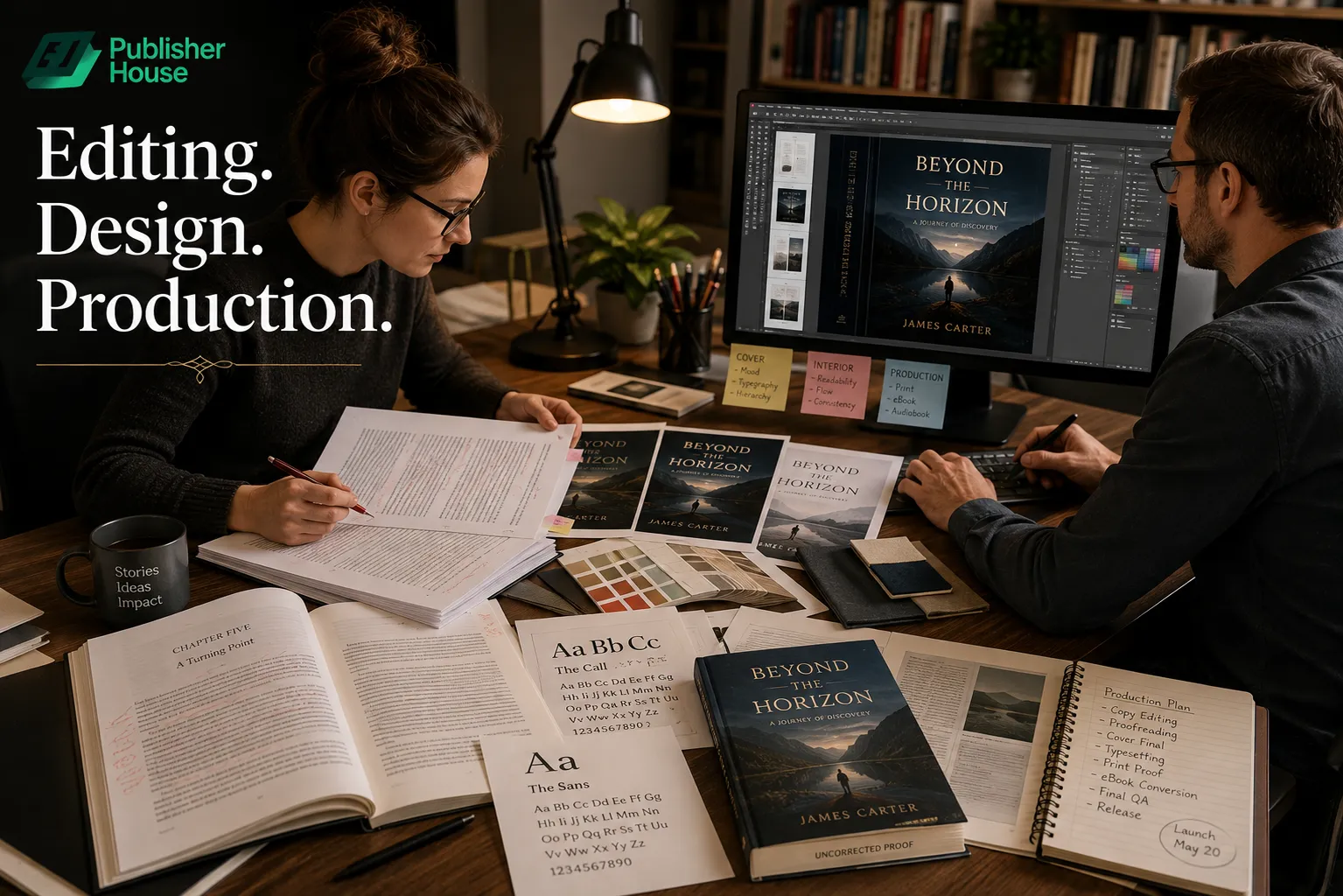
After the contract is finalized, the manuscript enters the editorial stage. An editor works with the author to improve the book. Depending on the project, editing can involve major structural changes or smaller language corrections.
The process may include developmental editing, copyediting, and proofreading. Editors check the organization, clarity, tone, grammar, spelling, consistency, and overall reading experience. For academic or specialist books, additional fact checking or peer review may also be required.
Designing the Book
Once the content is close to final, the design team begins creating the book’s visual identity.
The cover is particularly important because it is often the first thing a potential reader sees. It should communicate the book’s subject, genre, and overall feel while standing out in bookstores and online marketplaces.
The interior is also designed. Typography, chapter headings, page layouts, images, tables, margins, and other elements are carefully arranged to create a professional and comfortable reading experience.
Book Production
This is the stage where the edited and designed manuscript becomes a final book product. The production team manages the schedule and coordinates with editors, designers, printers, and other departments. They prepare the final files for different formats, including print books and audiobooks.
For printed books, production may involve decisions about paper, size, binding, printing, and finishing. The final files are checked carefully before production to ensure everything looks correct.
Marketing & Publicity
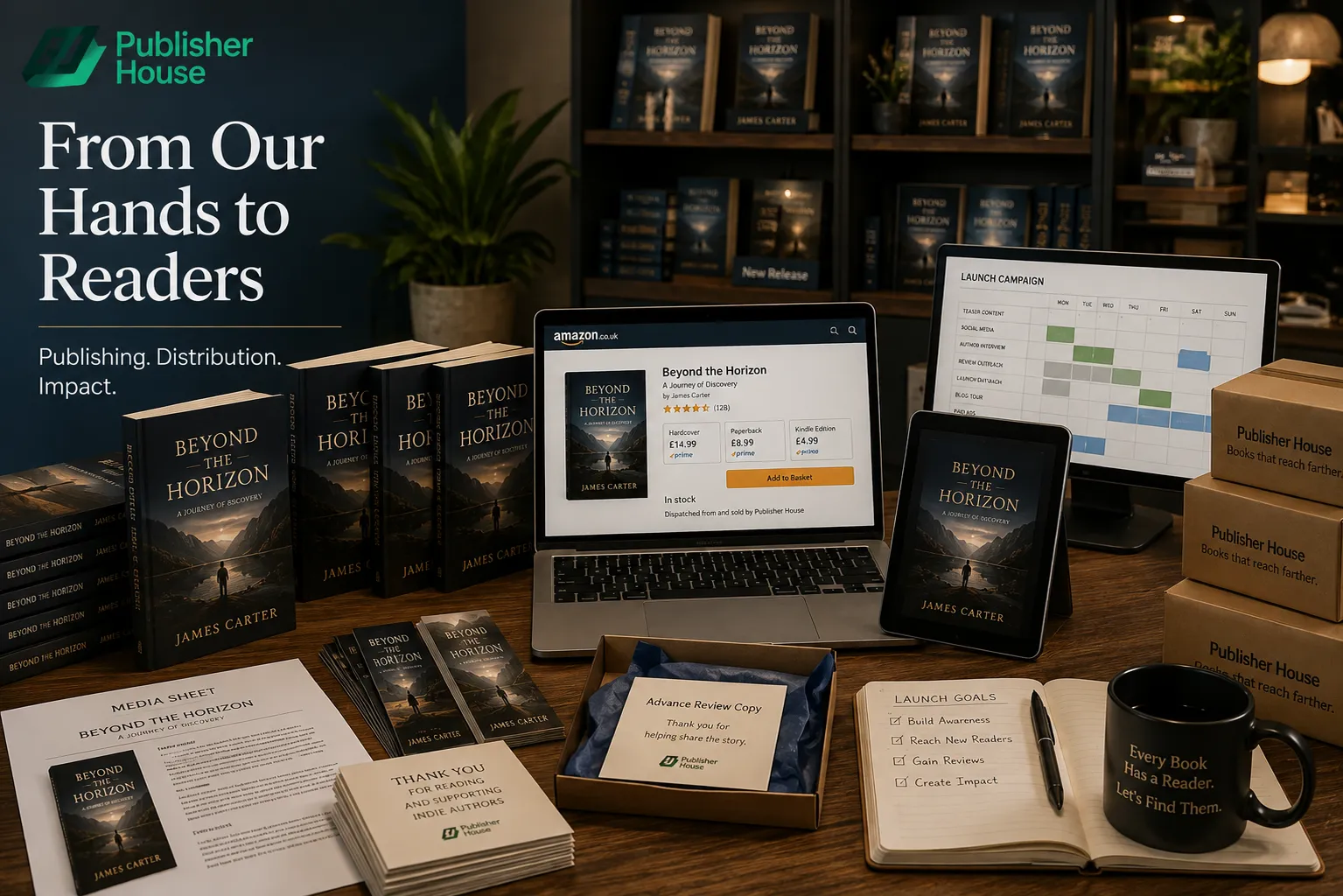
Publishing the book does not automatically mean people will discover it. Marketing and publicity help create awareness before and after publication. Marketing may include advertising, social media campaigns, email marketing, promotions, and online content.
Publicity focuses more on gaining attention through media coverage, interviews, reviews, author events, podcasts, and other promotional opportunities. Authors are often encouraged to participate too by promoting the book through their own platforms and networks.
Sales & Distribution
The sales team works to get the book into the right places. They may approach bookstores, online retailers, libraries, supermarkets, schools, and other retailers.
Distribution is the process of getting the finished book from the publisher or printer to those sales channels. For ebooks and audiobooks, distribution happens through digital platforms, making the book available to readers in different countries.
Publication Date
Finally, the book is officially released. The finished product is now available for readers to purchase, whether as a hardcover, paperback, ebook, or audiobook. But the journey does not necessarily end here. Publishers and authors continue monitoring sales, reviews, reader interest, and promotional opportunities after publication.
How to Make Your Book Noticed by Agents & Publishers?
To make your book stand out from the slush pile, your pitch needs to quickly show agents and publishers what makes your story unique, marketable, and worth their attention.
Key Things to Include in Your Book Pitch
- Mention the basics: Clearly state your book’s genre, word count, and comparable titles.
- Write a strong logline: Summarize your story in 1 to 2 sentences, including the main character, conflict, and stakes.
- Choose relevant comp titles: Compare your book with recent, recognizable books, films, or TV shows that share similar themes, tone, or audience.
- Understand your market: Know your genre, current trends, reader expectations, and where your book fits in the market.
- Know your target readers: Identify who will read your book and why they would be interested in buying it.
- Highlight your audience: Mention any existing communities, professional networks, social media following, or groups that could help promote your book.
- Research agents and publishers: Study their submission guidelines, preferences, recent books, and areas of interest before pitching.
- Stay aware of trends: Keep an eye on changing reader interests, market trends, and developments within your genre.
- Show your author potential: Your passion, knowledge, platform, and commitment can help demonstrate that you are ready to support your book beyond writing.
- Pitch with confidence: You have invested time in your story, so make sure your pitch reflects your book’s value and your vision as an author.
How Go Publisher House Supports Your Publishing Journey?
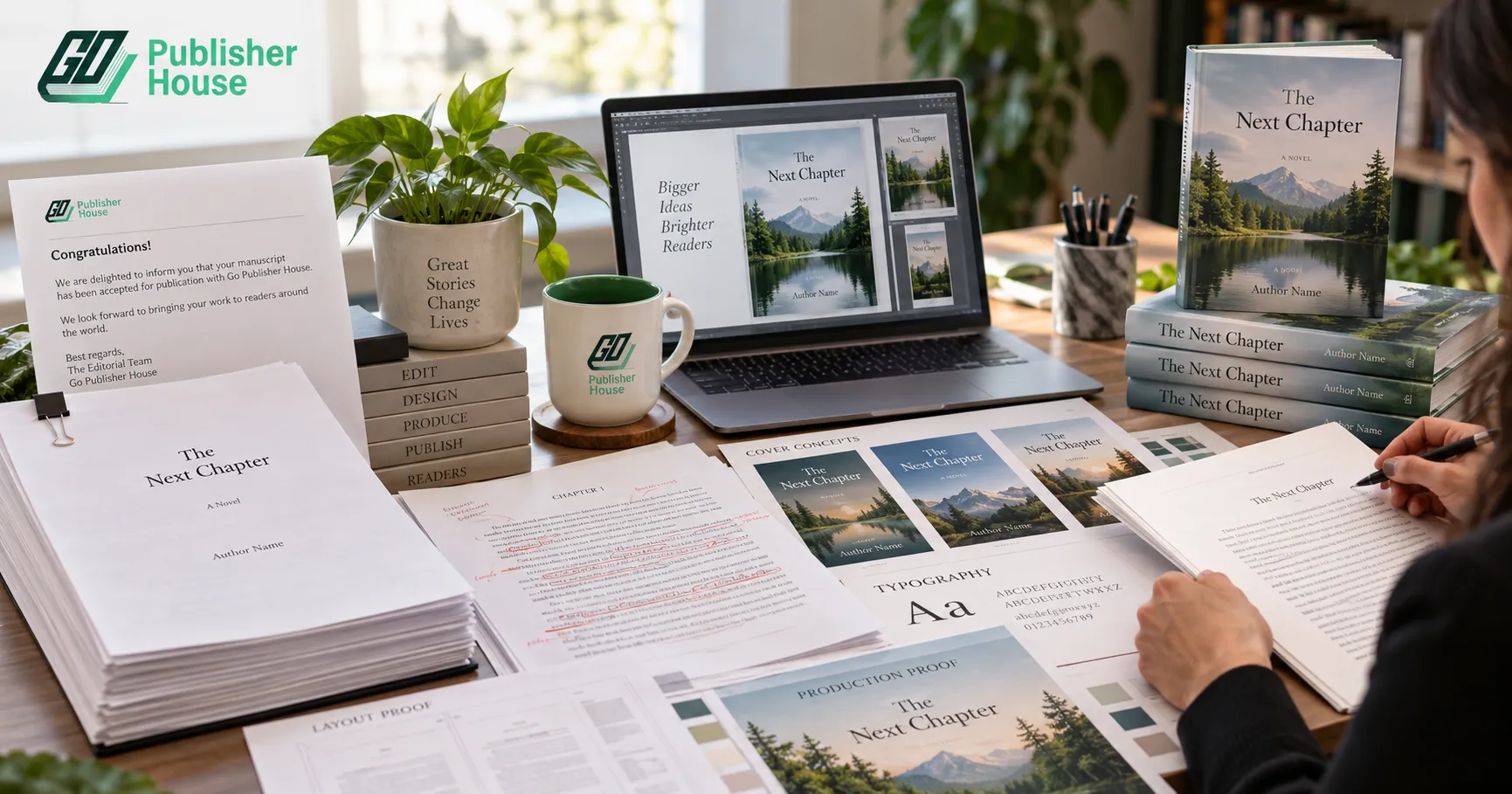
You have written the story. Now let’s turn it into a book readers can’t wait to open. From book editing services to book publishing services we make the journey easier at Go Publisher House. We help take your manuscript from the first draft to a polished, market ready book. From expert editing and proofreading to eye catching cover design, professional formatting, publishing, distribution, and marketing, we support you throughout the entire journey. Have a manuscript ready? Get ready to take the next step toward publishing your book.
Conclusion
Your manuscript is only the beginning, now it’s time to turn your words into a book that reaches readers. Understanding how books get published helps you navigate every stage, from editing and design to production, marketing, and distribution. With the right guidance and professional support, the publishing journey can be simpler, smoother, and more rewarding. Take your manuscript from page to publication. Start your publishing journey with Go Publisher House today!
Frequently Asked Questions
How publishing a book works?
Book publishing involves several stages, including manuscript preparation, editing, proofreading, design, formatting, production, marketing, distribution, and publication. The exact process depends on whether you choose traditional or self publishing.
How does a book get published traditionally?
In traditional publishing, an author may first find a literary agent who submits the manuscript or proposal to publishers. If a publisher accepts the book, the author signs a contract and works with the publishing team through editing, design, production, marketing, and distribution.
What comes next after completing my manuscript?
After completing your manuscript, the next steps usually include editing, proofreading, formatting, cover design, choosing a publishing route, preparing the book for production, and planning its marketing and distribution.
What are the key differences that set traditional publishing apart from self publishing?
Traditional publishing involves working with a publishing house that manages many aspects of production and distribution. Self publishing gives the author more control over the process but also requires the author to manage or arrange services such as editing, design, publishing, and marketing.
How much time does it take to get a book published?
The timeline varies depending on the publishing route, book length, editing requirements, design, printing, and marketing. Traditional publishing can take considerably longer, while self publishing may allow authors to move faster.