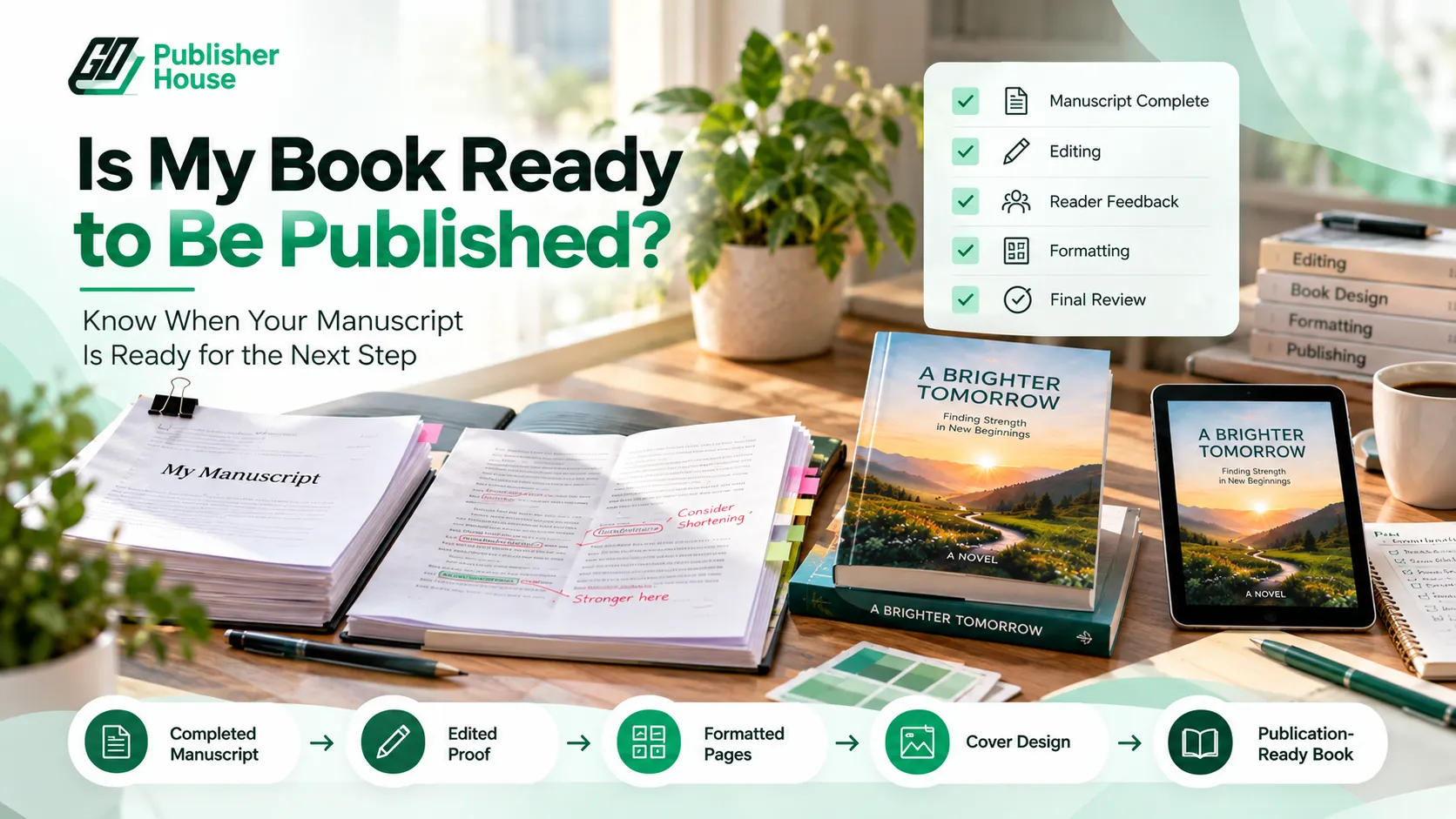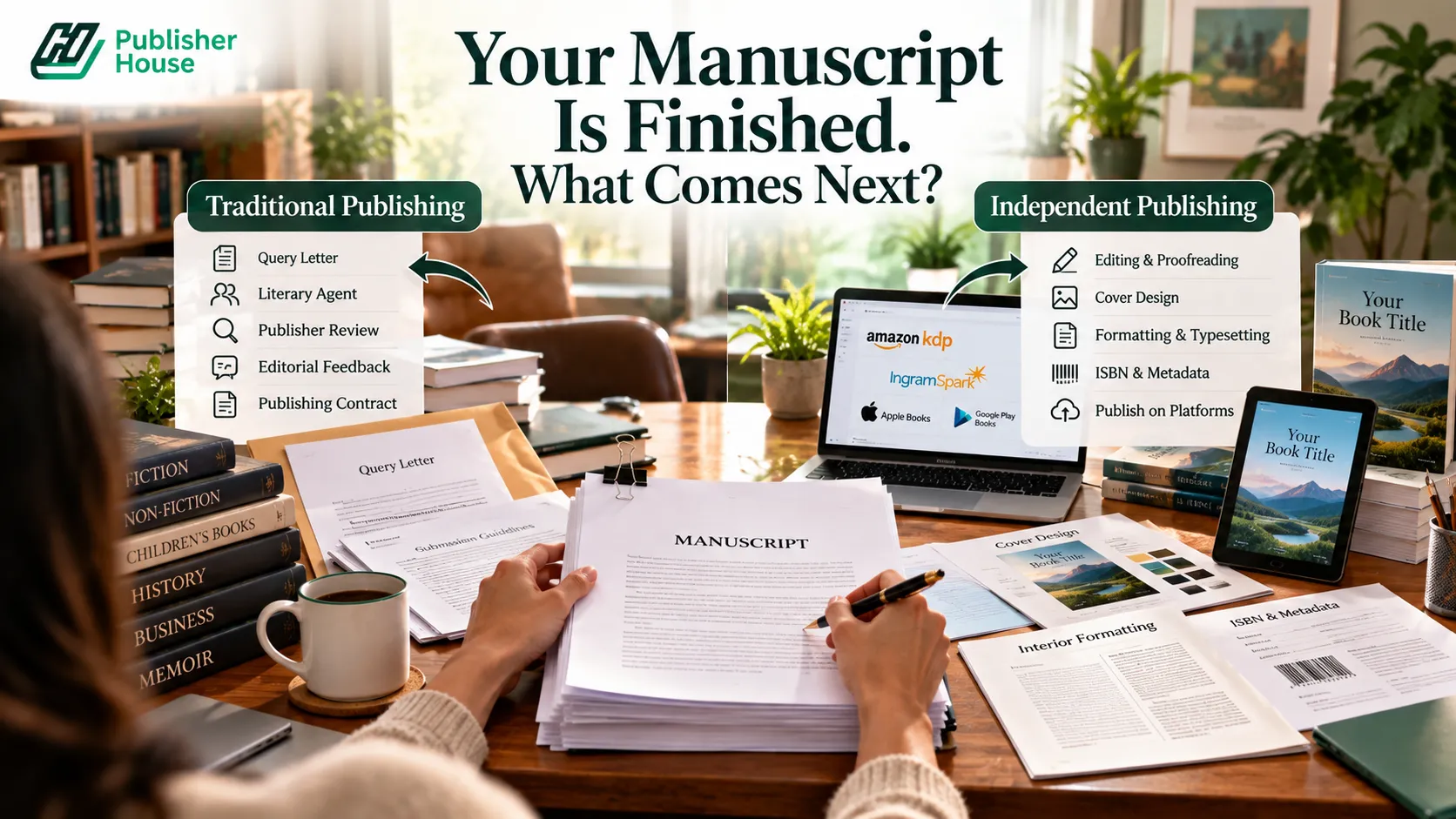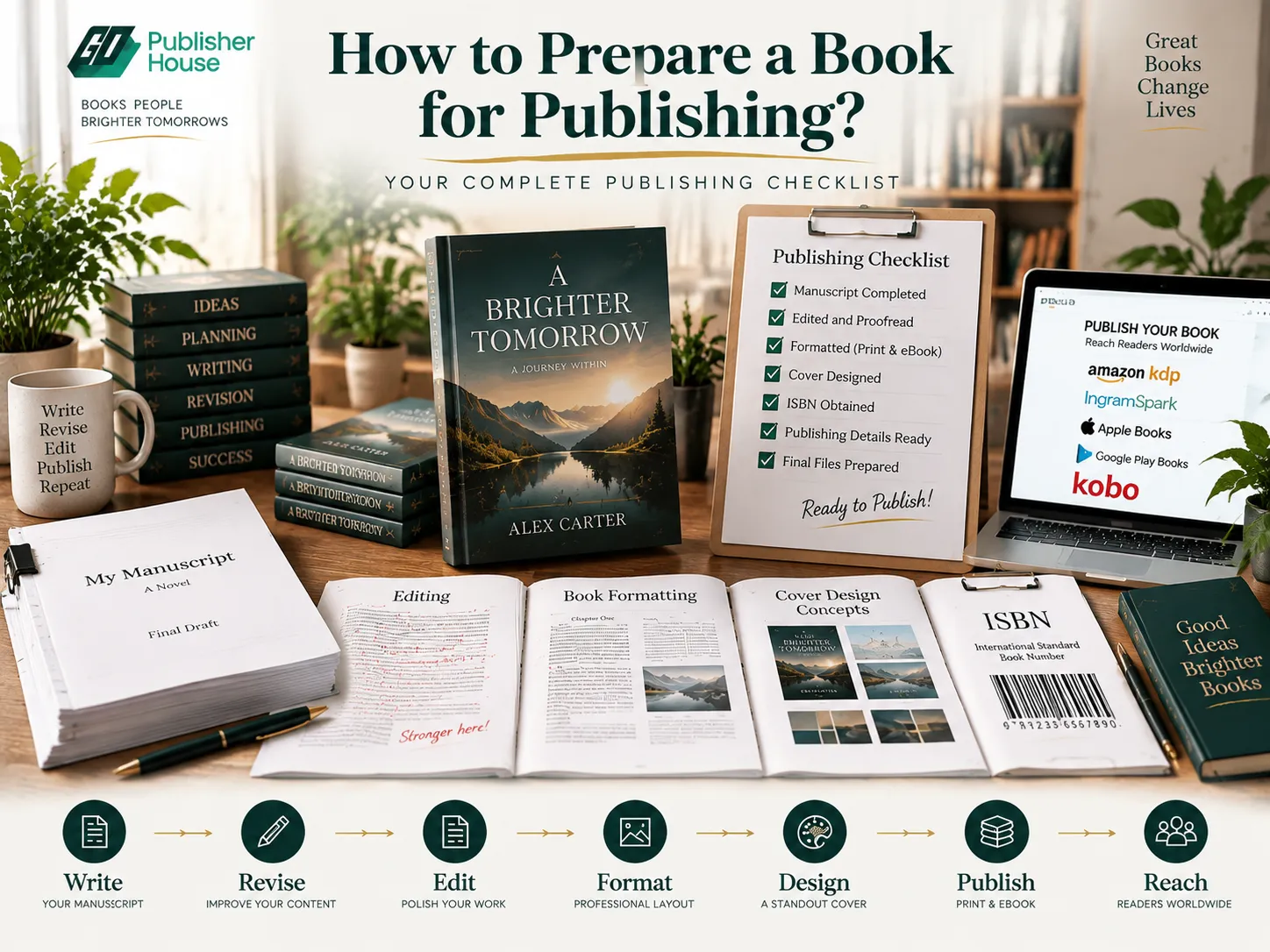

Your book got accepted, now what? After endless drafts, revisions, and anticipation, nothing compares to opening your inbox and finding the words, “We are delighted to offer publication.” It’s a milestone that turns a writer’s dream into the beginning of something real. After months or even years of writing, rewriting, editing, submitting, and waiting, your manuscript has finally received the “yes” you have been hoping for. No doubt getting accepted is a major milestone, but it’s only the start of your book’s journey to readers.
So what happens when a publisher accepts your book? Once a publisher accepts your book, there are still many important stages between the initial offer and the moment your book reaches readers. Understanding the publishing journey ahead can make the process far less overwhelming.
So, if you have just received that exciting “We would like to publish your book” message, take a moment to celebrate. Then, get ready for what comes next. From contracts and editing to cover design, production, marketing, distribution, and launch day, here’s what happens after book acceptance.
What Happens When a Publisher Accepts Your Book?
Getting an email regarding book publishing after acceptance is an incredible milestone, but it’s only the beginning. The book publishing process isn’t that simple. After acceptance, your manuscript goes through several important stages before it finally reaches readers.
This stage can feel just as unfamiliar as the submission process. Questions naturally arise: How to publish a book? What happens after I sign the contract? How long will publication take? Who makes the final decisions about my book? What role will I play in marketing? And when will I finally hold the finished book in my hands?
Sign the Publishing Contract

Once a publisher officially accepts your book, the next major step is signing the publishing contract. This is a legally binding agreement between you and the publisher, so it’s important to understand every term before putting your signature on it. The contract explains what rights you are giving the publisher, how you will be paid, when the book should be delivered and published, and what each side is responsible for.
It usually covers:
- Royalties: The percentage of book sales you will receive and how often you will be paid.
- Advance: An upfront payment, if the publisher offers one, which is usually recouped from future royalties.
- Rights: Whether the publisher receives print, ebook, audiobook, translation, international, or other rights.
- Deadlines: Dates for submitting your final manuscript, completing revisions, and other publishing requirements.
- Author Responsibilities: Your involvement in revisions, promotion, publicity, events, or providing additional material.
- Termination: The circumstances under which either you or the publisher can end the agreement.
Before signing, read the contract carefully and ask questions about anything you don’t understand. If possible, have a literary agent or publishing lawyer review it for you. Once the contract is signed by both parties, your book can officially move forward into the editing, design, production, and publication stages.
Work Through the Editing Process

Even after acceptance, your manuscript will likely go through several rounds of editing:
- Developmental Editing: Improves the story, structure, pacing, and overall content.
- Line Editing: Refines sentences, word choice, tone, and readability.
- Copyediting: Checks grammar, spelling, punctuation, consistency, and facts.
- Proofreading: Detects any final mistakes and formatting errors before publication.
This process can take several months, so don’t be surprised if your finished manuscript comes back with more revisions.
Create the Cover and Interior Design
Once the editing process is underway, the publisher’s design team begins preparing the visual elements of your book, both the cover as well as the interior layout. The book cover is designed to reflect your book’s genre, tone, and target audience. Designers carefully choose the images, typography, colors, and overall style to make the book attractive and recognizable to potential readers.
At the same time, the interior of the book is professionally formatted. This includes chapter headings, fonts, spacing, margins, page numbers, illustrations, and other elements. For ebooks, the formatting is also adjusted so the text displays properly across different devices. Once the design is complete, you may receive proofs to review before the final version goes into production.
Prepare for Publication
Before your book is released, book publishing services in England take care of the important details needed to bring it to market. This includes assigning an ISBN, preparing metadata, setting the publication date, listing the book with retailers, and arranging distribution. Pre-orders may also be opened to build early interest and allow readers to order the book before its official release.
Start Marketing and Publicity
Your publisher may arrange press coverage, review copies, retailer outreach, social media promotion, or launch activities. But authors are often expected to help promote their books too. You might take part in interviews, podcasts, social media campaigns, book events, newsletters, and reader outreach.
Printing and Distribution
Once the manuscript and design are finalized, the book moves into production. Print copies are manufactured, while ebook and audiobook editions are prepared if included in the publishing deal. The finished book is then sent through distribution channels to bookstores, online retailers, libraries, and other markets.
Launch Day
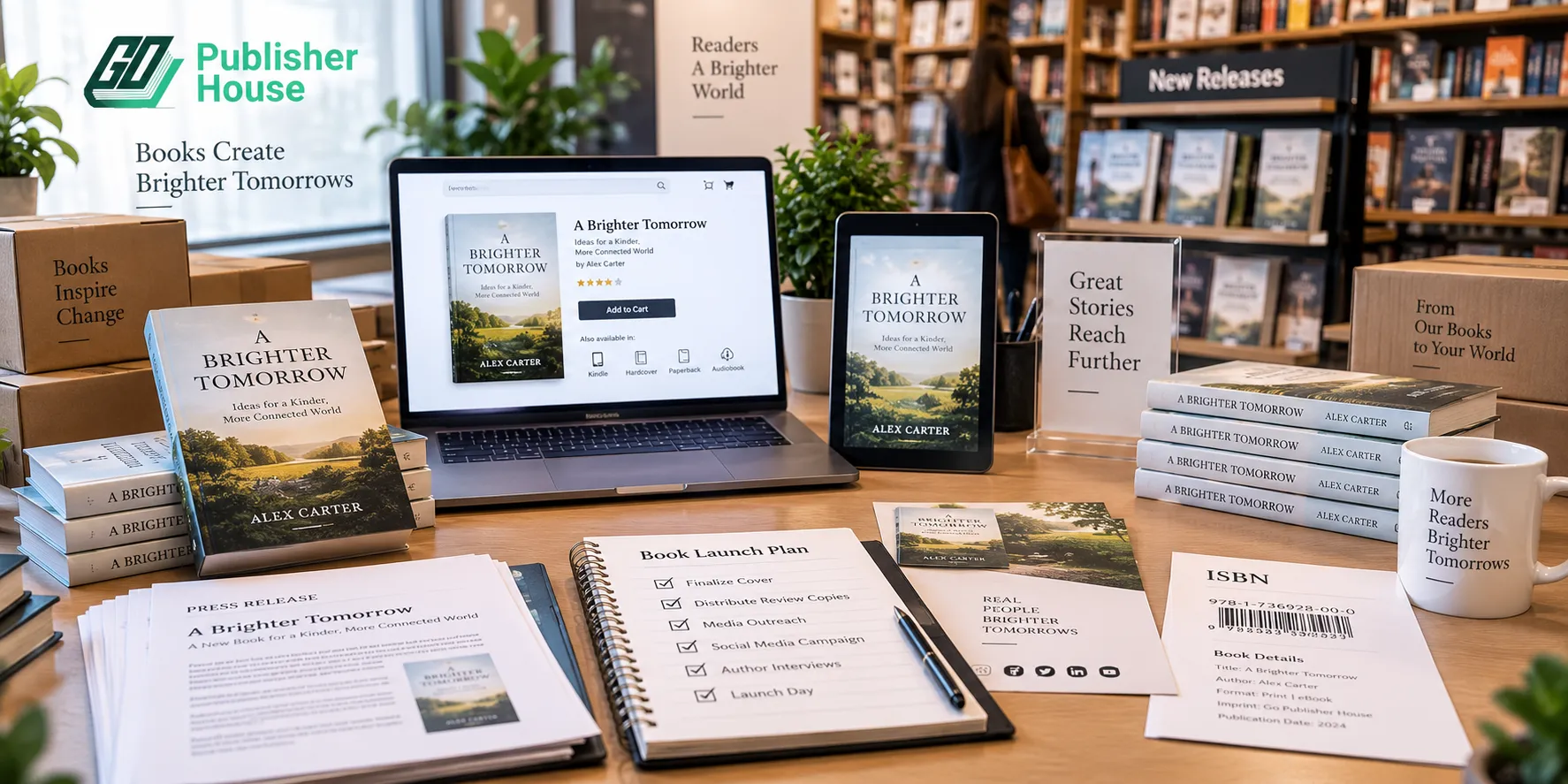
Finally, your book officially becomes available to readers. You can celebrate with launch events, social media announcements, interviews, and other promotional activities. Remember, a book’s success doesn’t always happen overnight. Reviews, word of mouth, and continued promotion can help your book find readers long after launch day.
Royalties and the Long Term Journey
After publication, you will receive sales and royalty statements according to your contract. Your publisher may also continue promoting and distributing the book. Most importantly, your relationship with your publisher doesn’t necessarily end on release day. A successful partnership can lead to future books, new formats, translations, and continued opportunities. The journey from acceptance to publication takes time, teamwork, and patience. Celebrate the acceptance, but be ready for the exciting work that comes next.
What are the Tips to Stay on Track Throughout Publication?
Seeing your book finally published is a moment worth celebrating but it can also bring new responsibilities, expectations, and emotions. From handling reviews to staying motivated for your next project, life after publication can be a learning experience. These simple tips can help you enjoy the journey, manage challenges, and continue growing as an author.
Stay Resilient
Publication can bring both exciting moments and disappointments. Reviews, sales, and publicity may not always go as expected, so stay patient, positive, and resilient.
Define Success Your Way
Don’t measure your success only by sales, bestseller lists, or publicity. Every book has its own journey, and success can come in many different forms.
Remember Your Purpose
Remember what motivated you to write in the first place. Whether it was connecting with readers, sharing your story, or seeing your book in print, keep that purpose at the heart of your journey.
Handle Reviews Positively
Not everyone will love your book, and negative reviews are a normal part of being a published author. Try not to take criticism personally. Focus on useful feedback and remember that one opinion does not define your work.
Take Care of Yourself
Publishing can be demanding, so make time for rest, friends, hobbies, and activities outside writing. Taking care of yourself can help you stay creative and motivated.
Stay Connected
Stay connected with fellow authors, readers, booksellers, and writing communities. Supporting others can help you build meaningful relationships and make the publishing journey more enjoyable.
Keep Writing
Finally, keep writing. Don’t let the success or pressure of one book stop your creativity. Start your next project, continue learning, and keep developing your voice as a writer.
Celebrate Your Achievement
Most importantly, celebrate your achievement. You wrote a book, shared it with the world, and that alone is something to be proud of.
How can the Go Publisher House Help You?
Turning a completed manuscript into a professionally published book can feel overwhelming, but you don’t have to navigate the journey alone. Go Publisher House can support you through the key stages of the publishing process, from editing and professional cover design to formatting, publishing, distribution, and marketing. Whether you are a first time author or an experienced writer, our team helps simplify the process while keeping your vision at the heart of your book. With the right guidance and publishing support, you can move from “my book is accepted” to “my book is in readers’ hands” with confidence.
Conclusion
A book deal opens the door, but the journey beyond it is what brings your story to life. From editing and design to marketing, distribution, and reaching readers, every step plays an important role in turning your manuscript into a finished book. Knowing what happens when you publish a book can help you stay prepared, confident, and focused throughout the process. So is your manuscript ready for its journey toward publication? Partner with Go Publisher House and get the professional guidance you need to turn your book into a published reality.
Frequently Asked Questions
What happens after a book has been accepted by the publisher?
Once a publisher accepts your manuscript, the book enters the publishing and production process. You will usually start with the publishing contract, followed by editing and revisions. After that, the publisher works on the cover, interior formatting, ISBN, metadata, printing or digital production, marketing, distribution, and finally the book launch. Each stage helps prepare your manuscript for professional publication and its journey to readers.
What is the time required to publish a book after acceptance?
There is no fixed timeline because every publisher and book is different. Traditional publishing can take several months to a couple of years after acceptance. The timeline depends on factors such as the amount of editing required, cover and interior design, production schedules, marketing plans, distribution, and the publisher’s planned release date.
Do I need to sign a contract after my book is accepted?
Yes, in most cases, the next step is a formal publishing contract. This agreement explains the terms of your relationship with the publisher, including royalties, advance payments, publishing rights, deadlines, responsibilities, and termination conditions. Since it is legally binding, it’s important to read it carefully and consider having a literary agent or publishing lawyer review it before signing.
Will my book be edited after it is accepted?
Yes. Book acceptance does not usually mean the manuscript is ready for printing. Your publisher may work with you through several rounds of editing. Developmental editing focuses on the overall structure and content, line editing improves the writing and flow, copyediting checks grammar and consistency, and proofreading catches remaining errors before publication.
Does the publisher design my book cover?
Usually, the publisher’s design team handles the cover and interior design. The cover is created to reflect your book’s genre, tone, and target audience, while the interior is professionally formatted for print and digital editions. Depending on the publisher, you may be able to provide feedback or approve the final design.
Will the publisher market my book?
Publishers often handle various marketing and publicity activities, such as press outreach, review copies, retailer promotion, and launch campaigns. However, authors are frequently expected to play an active role as well. This may include promoting the book on social media, participating in interviews and podcasts, attending events, building an audience, and connecting with readers. The level of publisher support can vary depending on the publisher and the individual book.