Finishing your manuscript is a huge achievement, but completing your first full draft doesn’t always mean your book is ready to publish. Many first time authors find themselves asking, is my book good enough to be published? Knowing when to stop revising and share your work with readers can be one of the hardest decisions.
Even after editing, getting feedback, and making improvements, it’s easy to keep changing small details forever. The key is to understand the difference between a finished manuscript and a published, ready book. So, how can you tell when your manuscript has reached that point? Let’s look at the key signs that your book is truly ready to be published.
Is My Book Good Enough to Be Published or Does It Need More Work?
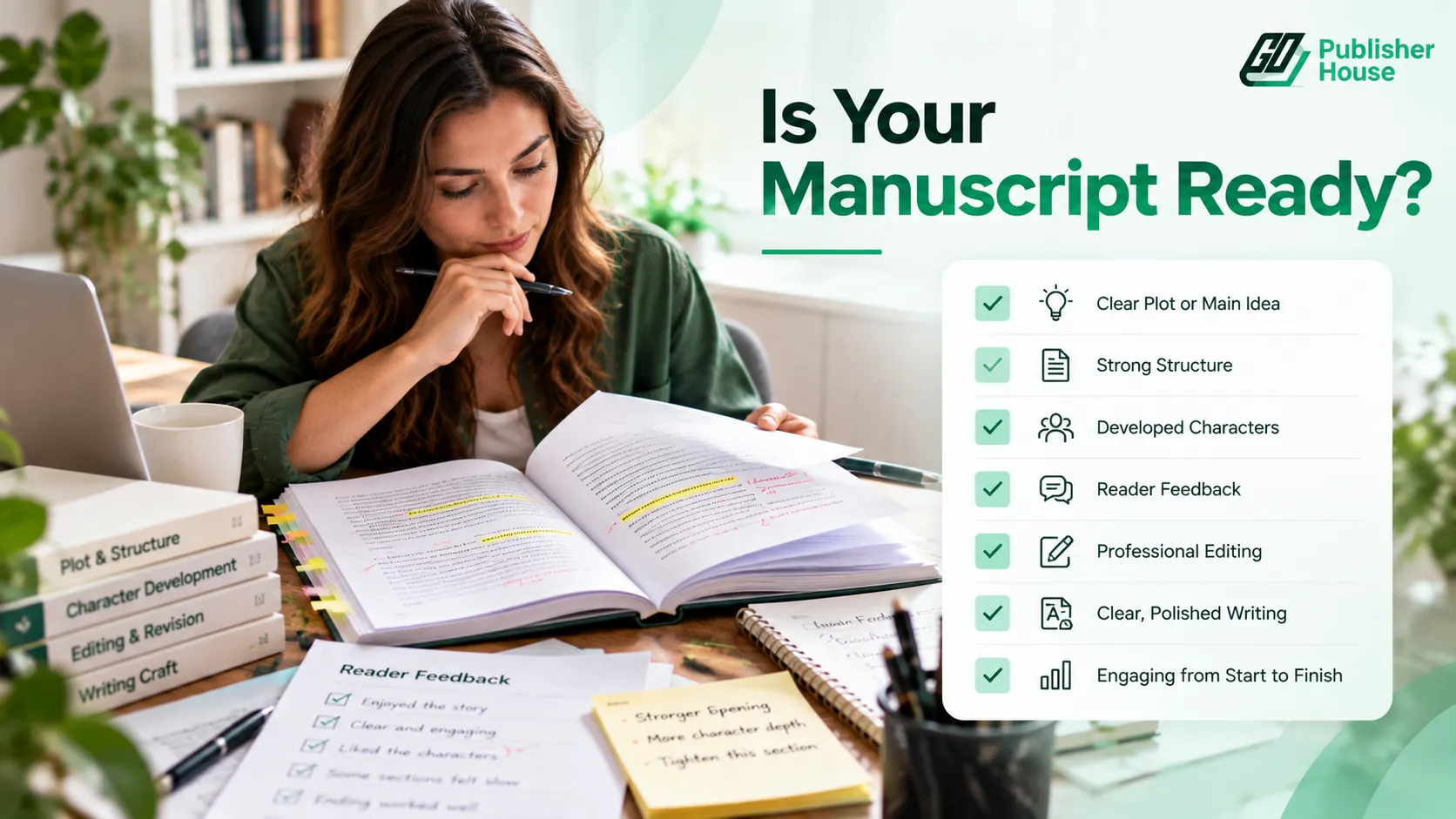
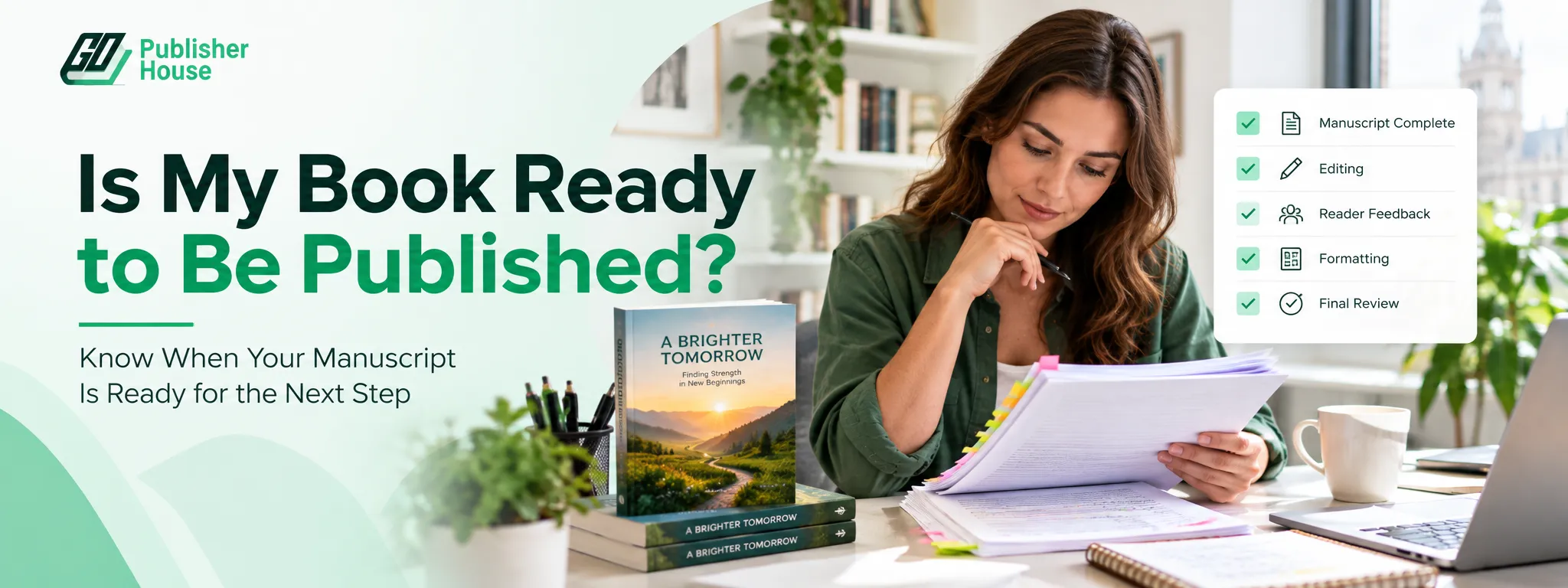
Thinking about how do I know if my book is worth publishing? The answer depends on more than simply finishing the writing. Before publishing, take time to review, revise, get feedback, and make sure your book is professionally prepared. Here are the key signs that your manuscript may be ready.
Step Away and Read Your Book Again
Once you finish a major draft, take a break from it for a few days or, ideally, a few weeks. Taking a break allows you to come back to your manuscript with a fresh perspective. When you read it again, try to experience it like a reader rather than the author. Pay attention to sections that feel confusing, slow, repetitive, or unnecessary. If problems immediately stand out, your manuscript may need another revision.
Your Plot or Main Idea Is Clear
A strong book needs a clear purpose and logical structure. For fiction, check whether the plot makes sense, the events connect naturally, and the characters have clear goals and motivations. Look closely at turning points, conflicts, major decisions, and the ending.
For nonfiction, make sure the main idea is easy to understand and that every chapter supports the overall purpose of the book. Ask yourself:
- Does every chapter add value?
- Does each event or idea lead naturally to the next?
- Are there unnecessary or repetitive sections?
- Is the main message clear?
Your Characters Feel Real and Developed
For fiction, strong characters are just as important as a strong plot. Readers should understand what your characters want, what they fear, and why they make certain decisions. Your main characters should change, grow, struggle, or learn something throughout the story. Even secondary characters should have believable motivations rather than existing only to move the plot forward.
You have Received Honest Outside Feedback
You know your book better than anyone, which can make it difficult to notice its weaknesses. That’s why getting feedback from others can be incredibly helpful. Ask trusted beta readers or people familiar with your target audience to read the manuscript. Rather than simply asking, what did you think of the book?
Ask specific questions:
- Was anything confusing?
- Where did you lose interest?
- Did the characters feel believable?
- Did the story flow naturally?
- Which parts worked best?
- What would you change?
Use the feedback to identify patterns and decide what needs another revision.
Your Book Has Gone Through Proper Editing
One editing pass is rarely enough. Different stages of editing look for different problems. Developmental editing focuses on structure, plot, pacing, characters, and overall content. Line editing focuses on sentence clarity, style, voice, and flow. Copyediting and proofreading focus on grammar, spelling, punctuation, formatting, and consistency.
You may not need every type of editing to the same degree, but your manuscript should receive the appropriate level of professional review before publication. If you are unsure which type of editing your manuscript needs, professional book editing services can help identify areas that need improvement and prepare your manuscript for publication.
Your Writing Is Clear and Polished
A great idea can lose its impact if the writing is difficult to follow. Read your manuscript carefully and look for grammar mistakes, repeated words, awkward sentences, unnecessary details, and unclear explanations. Editing tools can help identify basic errors, but they should not replace a professional editor or careful human review.
Your Book Keeps Readers Engaged
Ask yourself whether the book maintains a good pace from beginning to end. Look at tension, conflict, dialogue, character development, and important turning points. Make sure information is presented clearly and that readers have enough explanation to understand and apply what you’re teaching. If some sections feel too slow or rushed, revise them before publishing.
You Can Clearly Define Your Book
Try describing your book in two or three clear sentences. If you can confidently explain what the book is about, who it is for, and why readers might want to read it, you probably have a strong understanding of its core idea. If your explanation is confusing or changes every time you describe it, take another look at the book’s central purpose and focus.
Your Book Looks Professional
Publishing is not only about the words on the page. The final presentation matters too. Before publishing, check your cover design, fonts and spacing, chapter headings, page numbers, table of contents, and print or e-book formatting. If your book includes images and captions, make sure they are properly placed and displayed. Finally, read through the fully formatted version carefully to catch any last-minute formatting, layout, or presentation issues before your book goes live.
Your Book Looks Professional
Asking yourself will my book get published, or is my book publishable? Well, the answer depends on how well you prepare for each part of the publishing process. In self-publishing, there is more to consider than simply finishing your manuscript. Knowing how to publish a book can help you understand the steps involved, from choosing the right publishing platform and understanding ISBN requirements to setting your pricing, creating an appealing book description and cover, planning distribution, and preparing a marketing strategy. You can reach potential readers through social media, email, reviews, websites, bookstores, and other channels that suit your book and audience.
Don’t Confuse Exhaustion with Readiness
Sometimes authors think a book is ready simply because they are tired of working on it. Being exhausted with a manuscript doesn’t necessarily mean it is finished. Likewise, positive comments from friends and family are encouraging, but they are not a substitute for honest, critical feedback. A deadline can help you stay organized, but it doesn’t automatically mean the manuscript is ready either.
Don’t Chase Perfection
No book will ever feel completely perfect to its author. There will always be another sentence you could rewrite, another word you could change, or another detail you could improve. The goal is not to make your book flawless. The goal is to make it the best version you can reasonably create. If your manuscript has been thoroughly revised, received useful outside feedback, gone through appropriate editing, and been professionally prepared, you may be ready to move forward.
What Do You Need to Publish Your First Book?
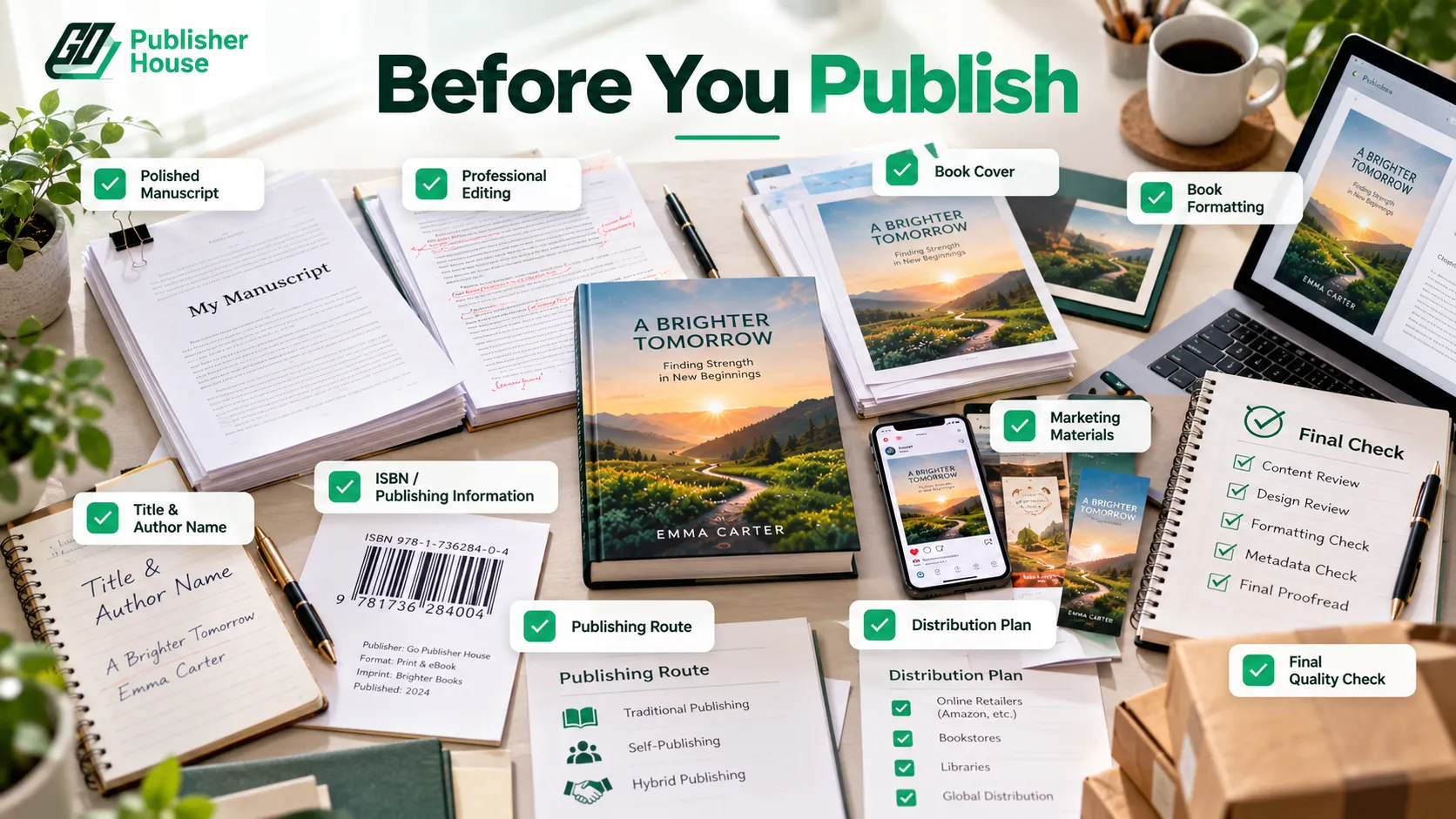
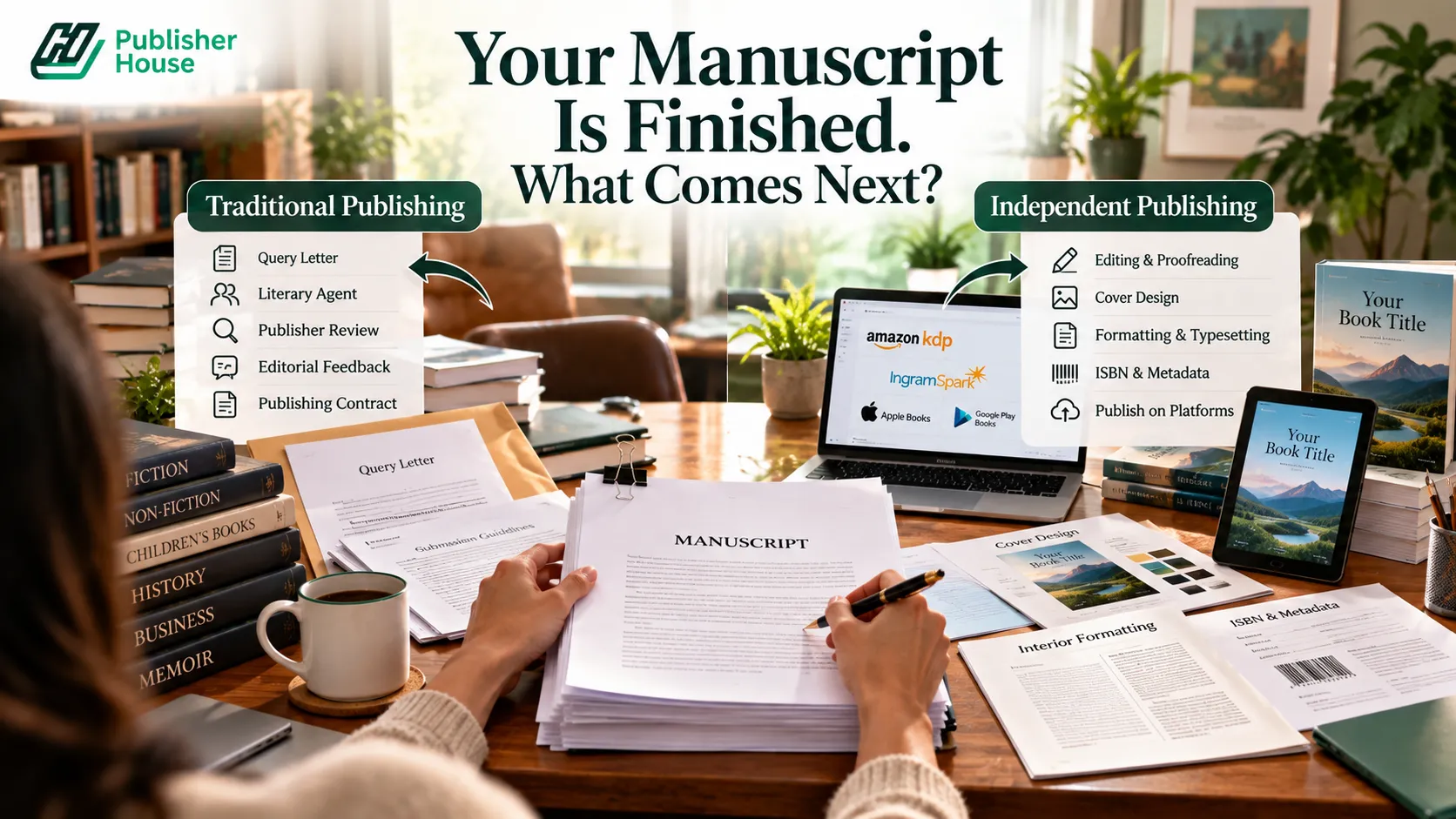
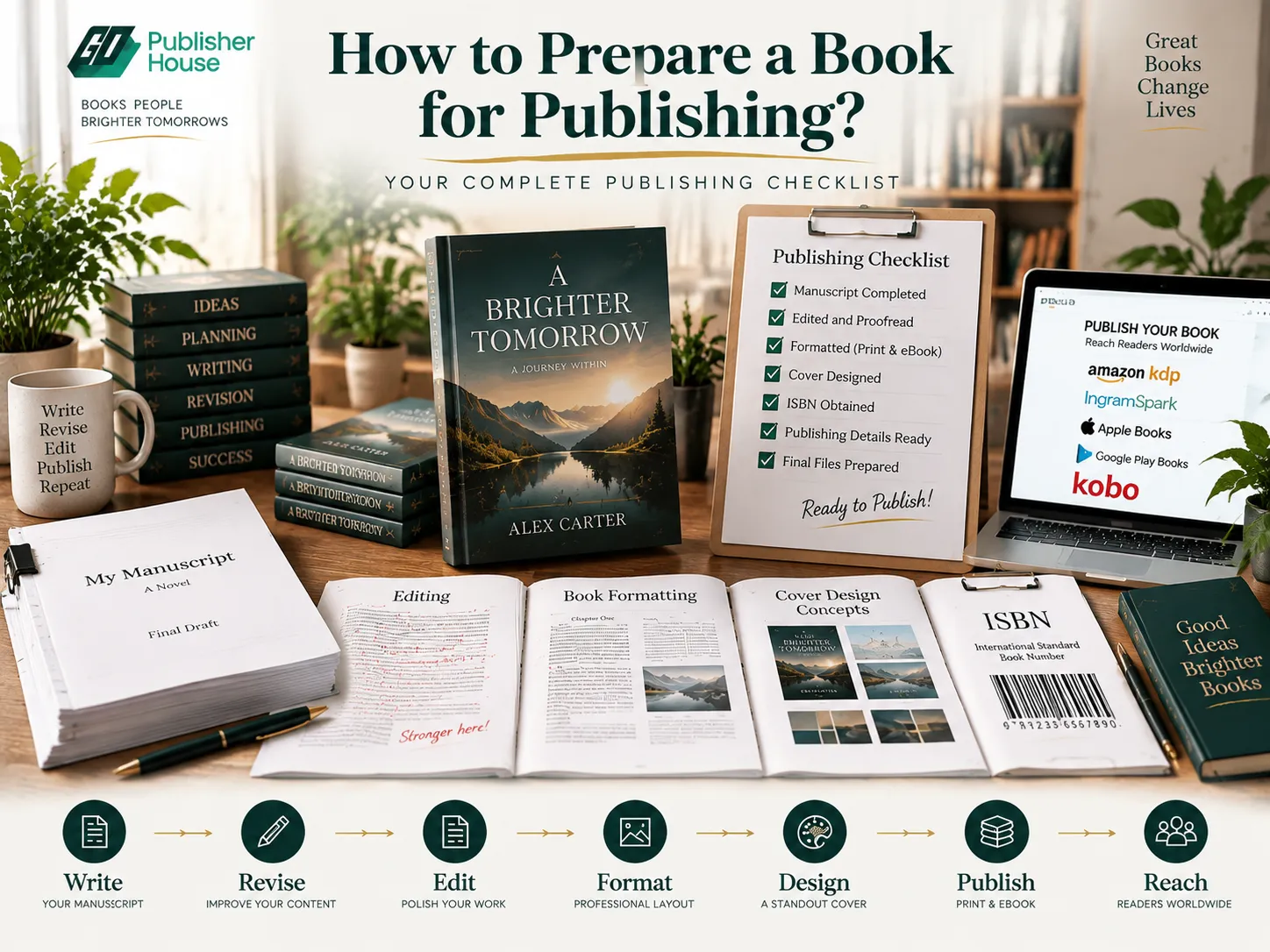
If you are wondering what do you need to publish a book, the process involves more than simply finishing your manuscript. Whether you choose traditional publishing or self-publishing, you need a polished book, professional editing, a strong cover, proper formatting, and a clear plan for getting your book to readers.
A Finished and Polished Manuscript
Start with a complete manuscript that has been revised and improved. Make sure your story, ideas, characters, structure, and overall content are clear and ready for readers.
Professional Editing
A professional edit can improve your book’s structure, clarity, grammar, style, and consistency. Depending on your needs, you may require developmental editing, copyediting, or proofreading.
A Book Cover
Your cover is one of the first things potential readers notice. It should look professional, suit your genre, and work well in both print and digital formats.
Proper Book Formatting
Your book should be formatted correctly for its intended format, whether it is an ebook, paperback, or hardcover. This includes fonts, spacing, margins, chapter headings, page numbers, and other layout details.
A Clear Title and Author Name
Choose a title that is easy to remember and fits your book. Make sure your author name is consistent across the cover, manuscript, publishing platforms, and marketing materials.
ISBN and Publishing Information
Depending on your publishing route and where you plan to sell your book, you may need an ISBN and other publishing or copyright information. Check the requirements of your chosen platform or publisher.
The Right Publishing Route
To understand how does book publishing work, start by deciding whether traditional publishing or self-publishing is right for your project. Each option has different requirements, costs, timelines, and levels of author control.
A Distribution Plan
Think about where you want your book to be available. This could include online bookstores, physical bookstores, libraries, your website, or other sales channels. Choose distribution channels that match your target readers and make it easy for them to discover and purchase your book.
Marketing Materials
Prepare the materials you’ll need to promote your book, such as an author bio, book description, promotional graphics, an author website or page, and a basic marketing plan. Having these materials ready before launch can help you create consistent and effective promotional campaigns.
A Final Quality Check
Before your book goes live, carefully review the final version. Check for spelling mistakes, formatting issues, missing pages, incorrect information, and other last-minute problems. Publishing your first book may seem overwhelming, but breaking the process into these steps makes it much easier to manage. The goal is to make sure your manuscript is ready, your book looks professional, and you have a clear plan for publishing and reaching your readers.
What You Get with Go Publisher House?
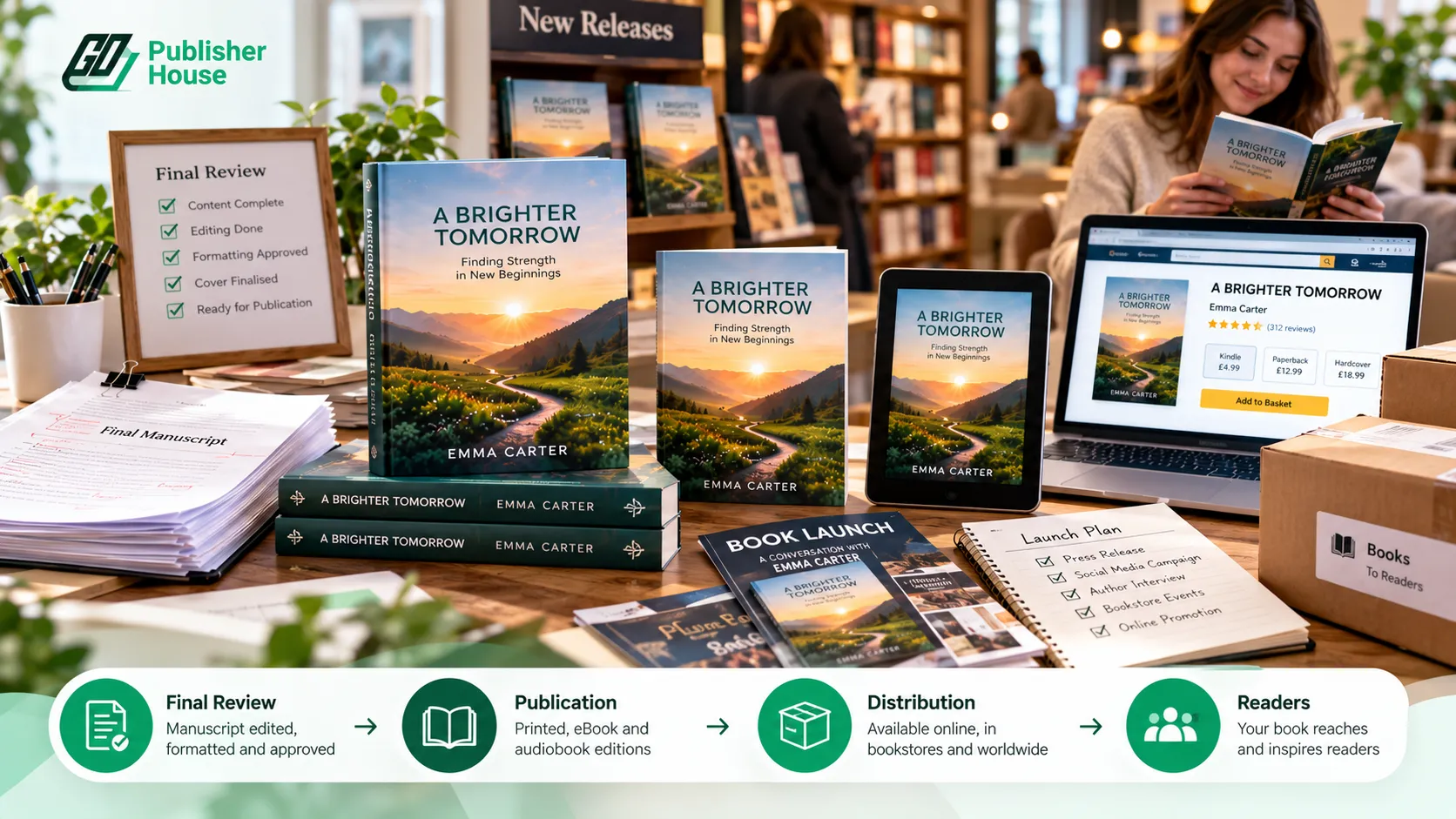
What happens when your manuscript stops being a file and starts becoming a book? At Go Publisher House, we help turn your words into a professionally published book that readers can discover and remember. From creative book cover design services and expert book publishing services to strategic book marketing services, we support your journey from manuscript to marketplace. Every detail is handled with care, so you can focus on your story while we help bring it to the right audience. Got a story waiting to be published? Let’s see where your book can go, connect with Go Publisher House today.
Conclusion
Your manuscript doesn’t need to be perfect; it needs to be ready for its next chapter. If you are wondering if my book is good enough to be published, remember that readiness is about more than perfection. If your book has been thoroughly revised, professionally edited, thoughtfully reviewed, and properly prepared for readers, it may be time to stop tweaking and start publishing. With the right preparation and support, you can turn your finished manuscript into a book you’re proud to share. Your story is ready for its audience. Let Go Publisher House help you turn your manuscript into a published book. Get started today.
Frequently Asked Questions
Should I publish my book?
If your manuscript is complete, polished, professionally edited, and ready for your intended readers, you may be ready to publish. Consider your publishing goals, target audience, budget, preferred publishing route, distribution options, and marketing plan before taking the next step.
What happens after my manuscript is ready?
You can choose a publishing route, finalize your cover and formatting, prepare distribution and marketing materials, and move toward publication.
How do I know if my book is ready to be published?
Your book may be ready when the manuscript is complete, thoroughly revised, professionally edited, and reviewed by trusted readers. It should also be properly formatted and prepared for your chosen publishing platform.
Should I get my book professionally edited before publishing?
Yes. Professional editing can help identify issues with structure, clarity, grammar, pacing, consistency, and readability. An experienced editor can also provide an objective perspective and help ensure your manuscript is polished for readers.
How many times should I revise my book before publishing?
There is no set number of revisions every book needs. Revise your manuscript until major issues have been resolved, feedback has been considered, and further changes are mostly optional rather than necessary improvements.
What do I need before publishing my first book?
Before publishing, you generally need a finished and polished manuscript, professional editing, a suitable book cover, proper formatting, publishing information such as an ISBN where required, a distribution plan, and marketing materials.